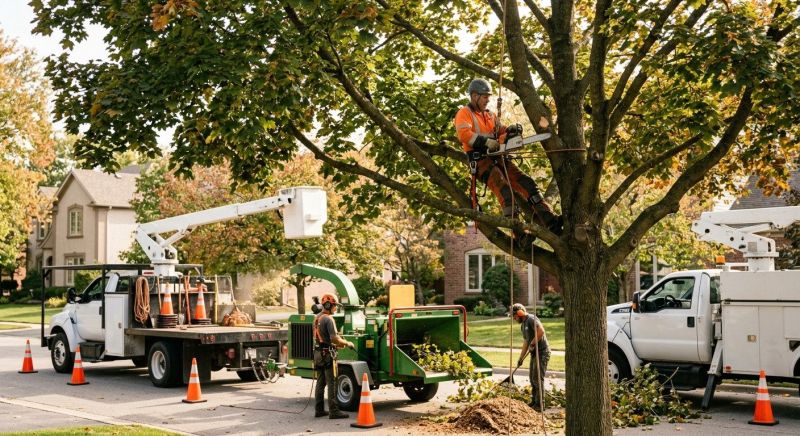
Japanese Maple Pruning in San Jose, CA
Japanese Maple pruning services involve carefully trimming and shaping these ornamental trees to promote healthy growth and maintain their aesthetic appeal. This service typically covers crown thinning, deadwood removal, shaping, and overall maintenance to ensure the tree remains vibrant and well-proportioned. Property owners often request pruning to control the size of the tree, improve airflow, remove damaged or diseased branches, and enhance the visual balance of their landscape. Before requesting pruning, it’s helpful to understand the specific goals for the tree’s appearance and health, as well as any particular concerns about its growth or safety around structures or walkways.
Proper pruning can help preserve the delicate structure of Japanese Maples, which are valued for their distinctive foliage and graceful form. Homeowners may want to know the best time of year to prune, typically during late winter or early spring, to minimize stress on the tree. It’s also useful to consider the extent of trimming needed, whether light shaping or more significant crown thinning, to achieve desired results without compromising the tree’s health. Clear communication about the tree’s current condition and the intended outcome can support a successful pruning project.
Many property owners in San Jose, CA look into Japanese Maple Pruning for repairs, replacements, upgrades, and appearance-related improvements.
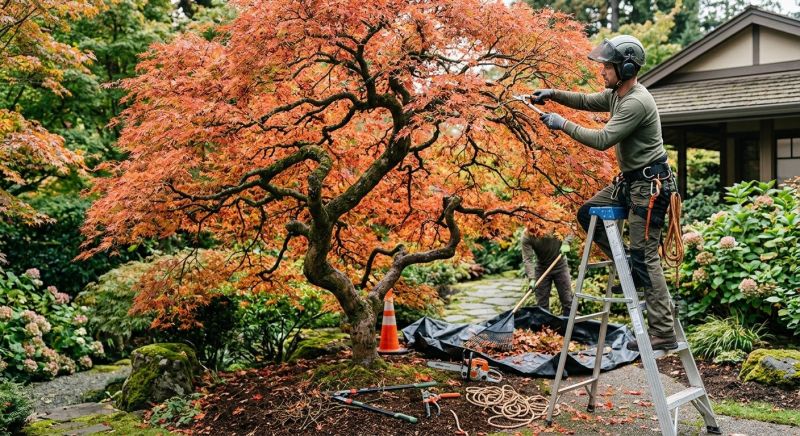
Pruning For Tree Health
Proper trimming helps maintain the vitality and structure of japanese maples in san jose gardens.
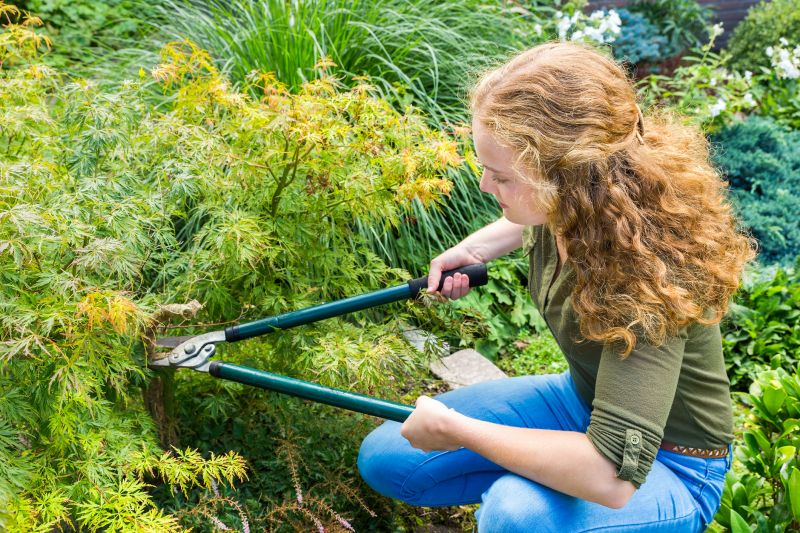
Aesthetic Tree Shaping
Selective pruning enhances the natural beauty and desired form of japanese maples for landscape appeal.
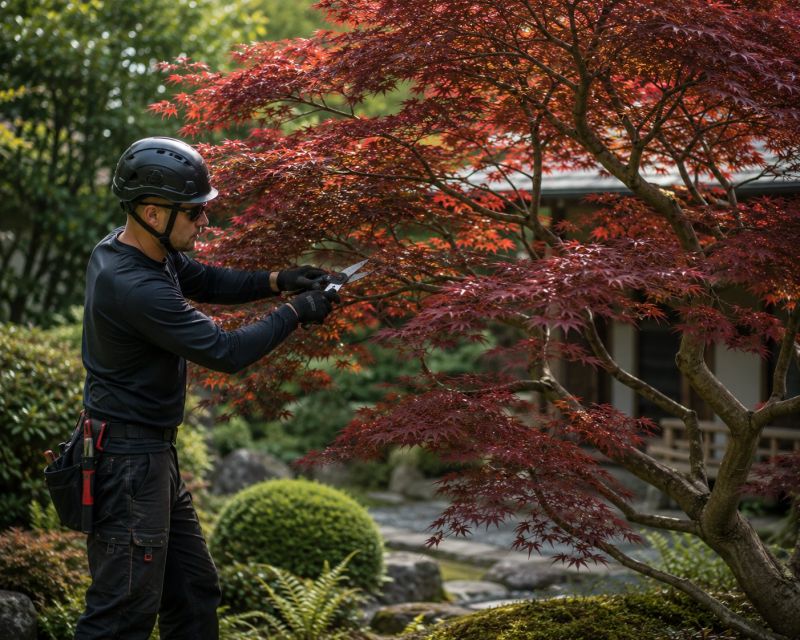
Safety And Clearance
Trimming removes dead or overgrown branches to improve safety and clear pathways around properties in san jose.
Japanese Maple Pruning in San Jose, CA
Japanese Maple pruning services involve carefully trimming and shaping these ornamental trees to promote healthy growth and maintain their aesthetic appeal. This service typically covers crown thinning, deadwood removal, shaping, and overall maintenance to ensure the tree remains vibrant and well-proportioned. Property owners often request pruning to control the size of the tree, improve airflow, remove damaged or diseased branches, and enhance the visual balance of their landscape. Before requesting pruning, it’s helpful to understand the specific goals for the tree’s appearance and health, as well as any particular concerns about its growth or safety around structures or walkways.
Proper pruning can help preserve the delicate structure of Japanese Maples, which are valued for their distinctive foliage and graceful form. Homeowners may want to know the best time of year to prune, typically during late winter or early spring, to minimize stress on the tree. It’s also useful to consider the extent of trimming needed, whether light shaping or more significant crown thinning, to achieve desired results without compromising the tree’s health. Clear communication about the tree’s current condition and the intended outcome can support a successful pruning project.
Many property owners in San Jose, CA look into Japanese Maple Pruning for repairs, replacements, upgrades, and appearance-related improvements.
Common Japanese Maple Pruning Jobs
Japanese Maple Pruning Services - shaping and trimming to maintain tree health and aesthetic appeal.
Pruning for Size Control - reducing overgrowth to keep trees proportionate to the landscape.
Structural Pruning - removing dead or damaged branches to improve tree stability.
Selective Thinning - opening the canopy for better air circulation and sunlight penetration.
Seasonal Pruning - performing targeted cuts to promote healthy growth throughout the year.
Tree Health Maintenance - removing diseased or infested branches to prevent further issues.
Japanese Maple Pruning Questions
What is the purpose of pruning Japanese maples? Pruning helps maintain the tree’s shape, remove dead or damaged branches, and promote healthy growth.
When is the best time to prune Japanese maples? Late winter or early spring is ideal, before new growth begins, for proper shaping and health.
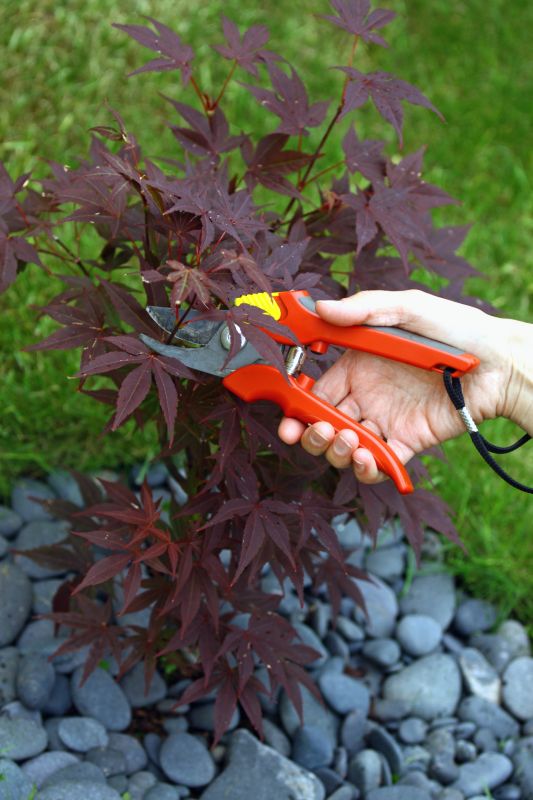
How should Japanese maples be pruned? Pruning involves selectively trimming branches to improve structure and remove any that are crossing or crowded.
Can pruning harm a Japanese maple? If done improperly, pruning can stress the tree or cause damage; professional techniques ensure healthy, balanced growth.
Request Japanese Maple Pruning in San Jose, CA
Use the quote form on this page to share the basics of your project and request more information for the type of work you need.