Dead Branch Removal in Allentown, PA
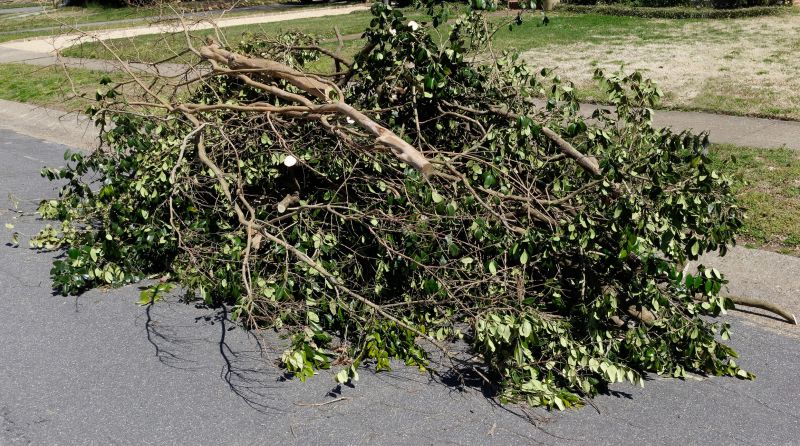
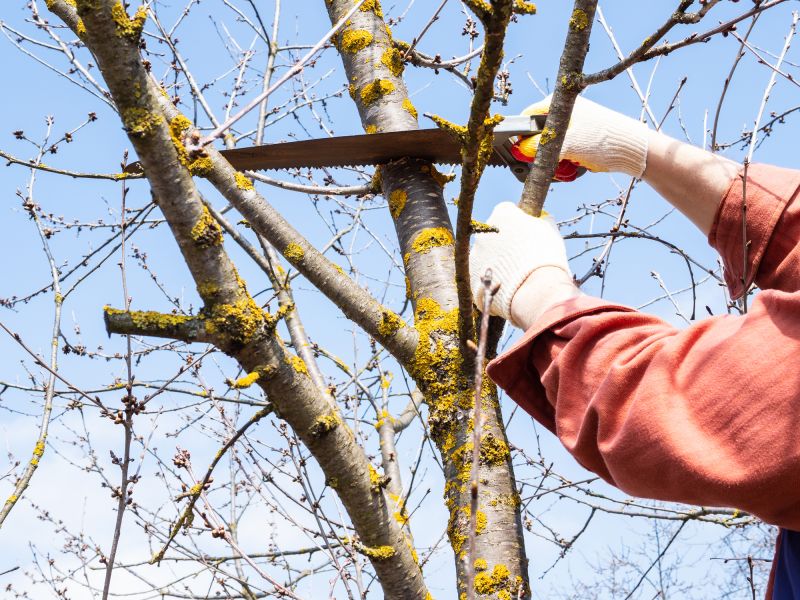
Dead branch removal services involve safely removing dead or damaged limbs from trees to maintain the health and appearance of the landscape. This process typically covers trimming away dead or decaying branches that pose a risk of falling, as well as removing branches that are obstructing structures, power lines, or pathways. Property owners often seek this service to prevent potential damage caused by falling limbs, improve tree health, or enhance the overall aesthetic of their yard.
Before requesting dead branch removal, property owners should consider the size and location of the branches in question, as well as any nearby structures or utilities. Understanding the extent of the work needed can help determine the appropriate approach, whether it involves simple pruning or more extensive trimming. Additionally, it’s helpful to be aware of any local regulations or restrictions regarding tree work, especially in densely populated or protected areas.
Many property owners in Allentown, PA look into Dead Branch Removal for repairs, replacements, upgrades, and appearance-related improvements.
Safety And Property Protection
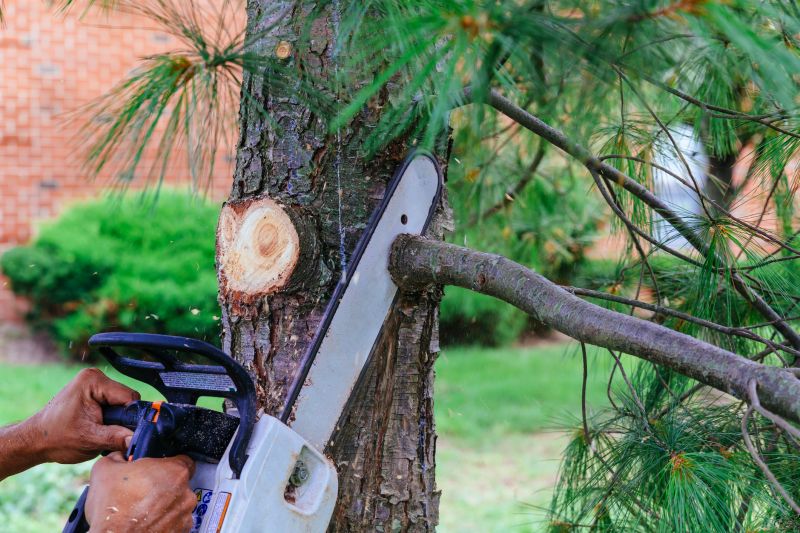
Removing dead branches helps prevent damage to trees, structures, and people during storms.
Tree Health And Maintenance
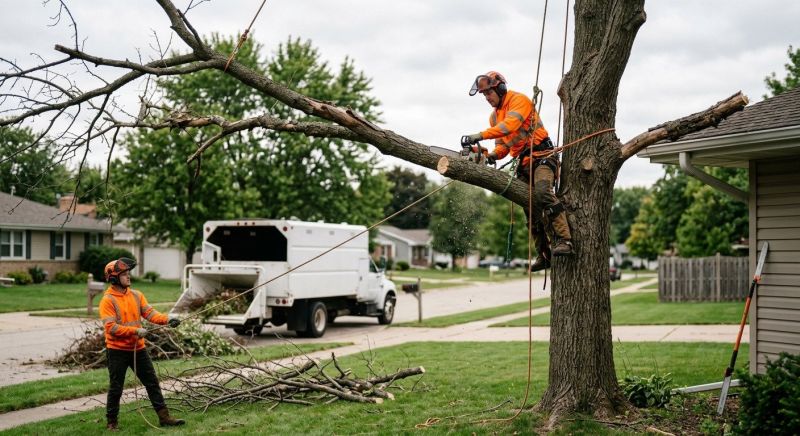
Proper dead branch removal promotes the overall health and longevity of trees on your property.
Aesthetic Improvement
Clearing dead branches enhances the appearance and curb appeal of residential and commercial landscapes in allentown, pa.
Dead Branch Removal in Allentown, PA
Dead branch removal services involve safely removing dead or damaged limbs from trees to maintain the health and appearance of the landscape. This process typically covers trimming away dead or decaying branches that pose a risk of falling, as well as removing branches that are obstructing structures, power lines, or pathways. Property owners often seek this service to prevent potential damage caused by falling limbs, improve tree health, or enhance the overall aesthetic of their yard.
Before requesting dead branch removal, property owners should consider the size and location of the branches in question, as well as any nearby structures or utilities. Understanding the extent of the work needed can help determine the appropriate approach, whether it involves simple pruning or more extensive trimming. Additionally, it’s helpful to be aware of any local regulations or restrictions regarding tree work, especially in densely populated or protected areas.
Many property owners in Allentown, PA look into Dead Branch Removal for repairs, replacements, upgrades, and appearance-related improvements.
Common Dead Branch Removal Jobs
Dead Tree Removal - safely removes trees that pose a risk of falling or damage.
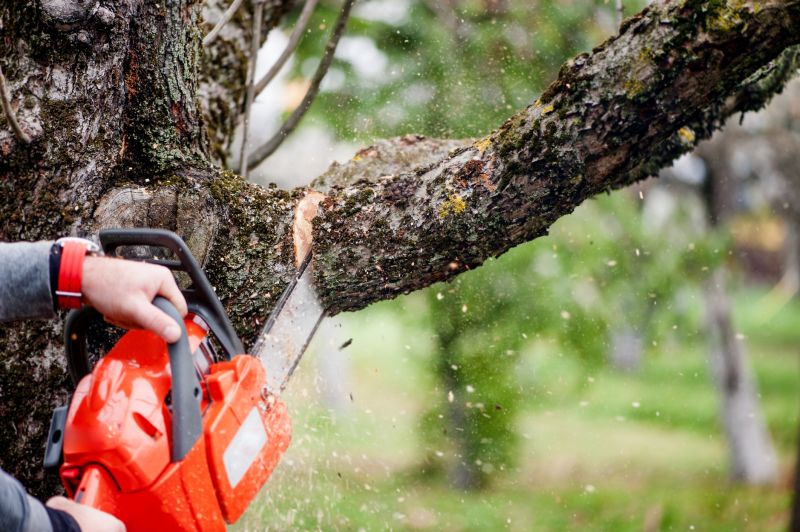
Storm-Damaged Branch Cleanup - clears broken and hazardous branches after severe weather.
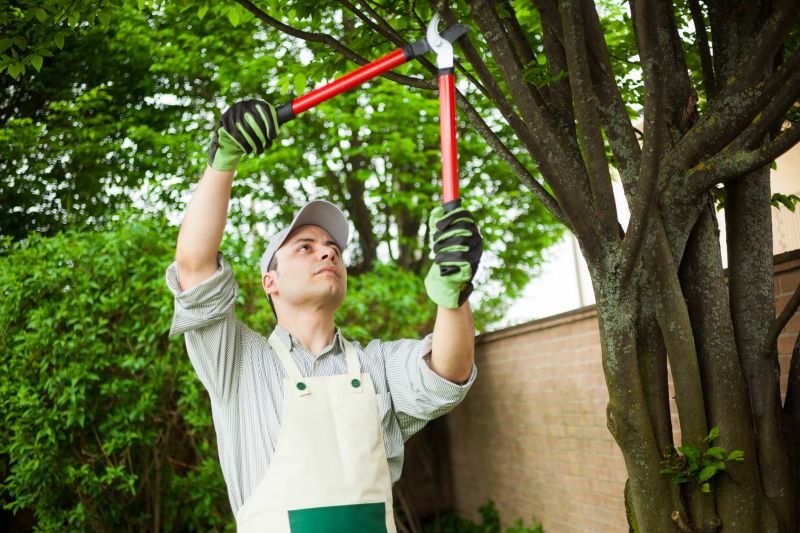
Overgrown Branch Trimming - reduces excessive growth to prevent interference with power lines and structures.
Hazardous Branch Removal - eliminates weak or dead branches that could fall unexpectedly.
Urban Tree Maintenance - manages dead or dying branches to promote healthy tree growth.
Emergency Branch Clearing - responds to urgent situations involving fallen or dangerously hanging branches.
Dead Branch Removal Questions
Why should dead branches be removed? Removing dead branches helps prevent potential damage to the tree and nearby property, reducing the risk of falling limbs during storms.
How can dead branches affect a tree’s health? Dead branches can attract pests and disease, which may spread to healthy parts of the tree, compromising its overall vitality.
What signs indicate the need for dead branch removal? Visible dead or broken branches, signs of decay, or branches that do not respond to pruning are indicators that removal may be necessary.
Is dead branch removal safe for the tree? Proper removal techniques minimize stress on the tree and help maintain its health and structure over time.
Request Dead Branch Removal in Allentown, PA
Use the quote form on this page to share the basics of your project and request more information for the type of work you need.